Organize challenges and technology assets
We organize challenges, technologies, facilities, materials, people, and fields to find the starting point for new projects.

LVNS WATER CYCLE PROJECT
Organized by Leave a Nest
by deep technology
for future generations
Creating flows and cycles of water that nurture life
Water carries a wide range of substances and energy. Since the dawn of life, it has been a flow that nurtures and expands life. Today, however, as human society has developed, this cycle is beginning to break down. While water purified so excessively that it is too clear to support life is released into the environment, persistent chemicals and microscopic plastics are dispersed throughout every kind of water. In warming seas stripped of nutrients, living organisms are losing their homes.
This project is not about simply using water cleanly.
At the boundary between land and sea, between clear and turbid water, we create flows and cycles of water that nurture life.
The LVNS Water Cycle Project aims to create projects and businesses that make this possible, building flows and cycles of water that sustainably nurture life.
Why Leave a Nest
We connect researchers, startups, companies, and regions, moving consistently from organizing challenges to technology scouting, team building, demonstration, and commercialization. Leave a Nest develops technologies into projects that work in society.
We organize challenges, technologies, facilities, materials, people, and fields to find the starting point for new projects.
We search for the technologies and people needed to solve challenges, regardless of field, and bring together partners with different strengths.
Through demonstrations, we verify the conditions for technology, business, and regions and connect them to productization, commercialization, and regional expansion.
Projects
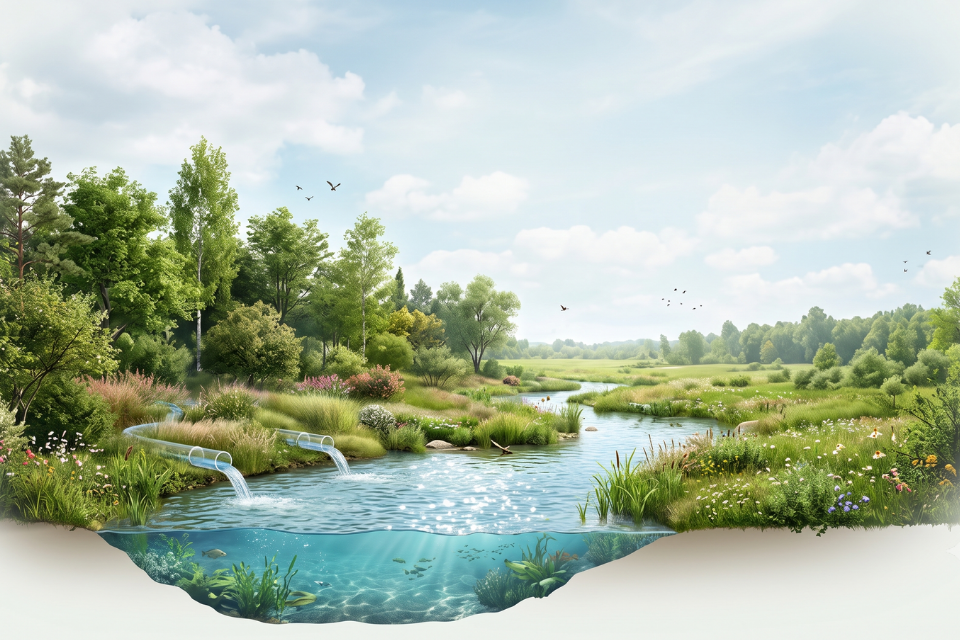 Project for Developing a Natural Capital Enhancement Business through Optimized Dyeing Wastewater Treatment
 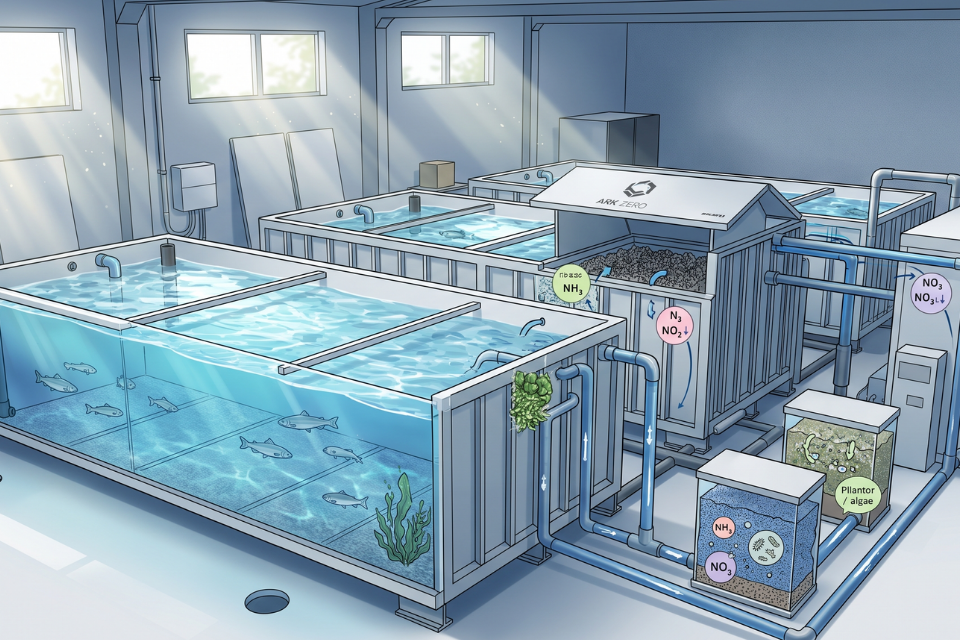 Project for Optimizing Nitrogen Cycles in Closed Recirculating Aquaculture Systems
 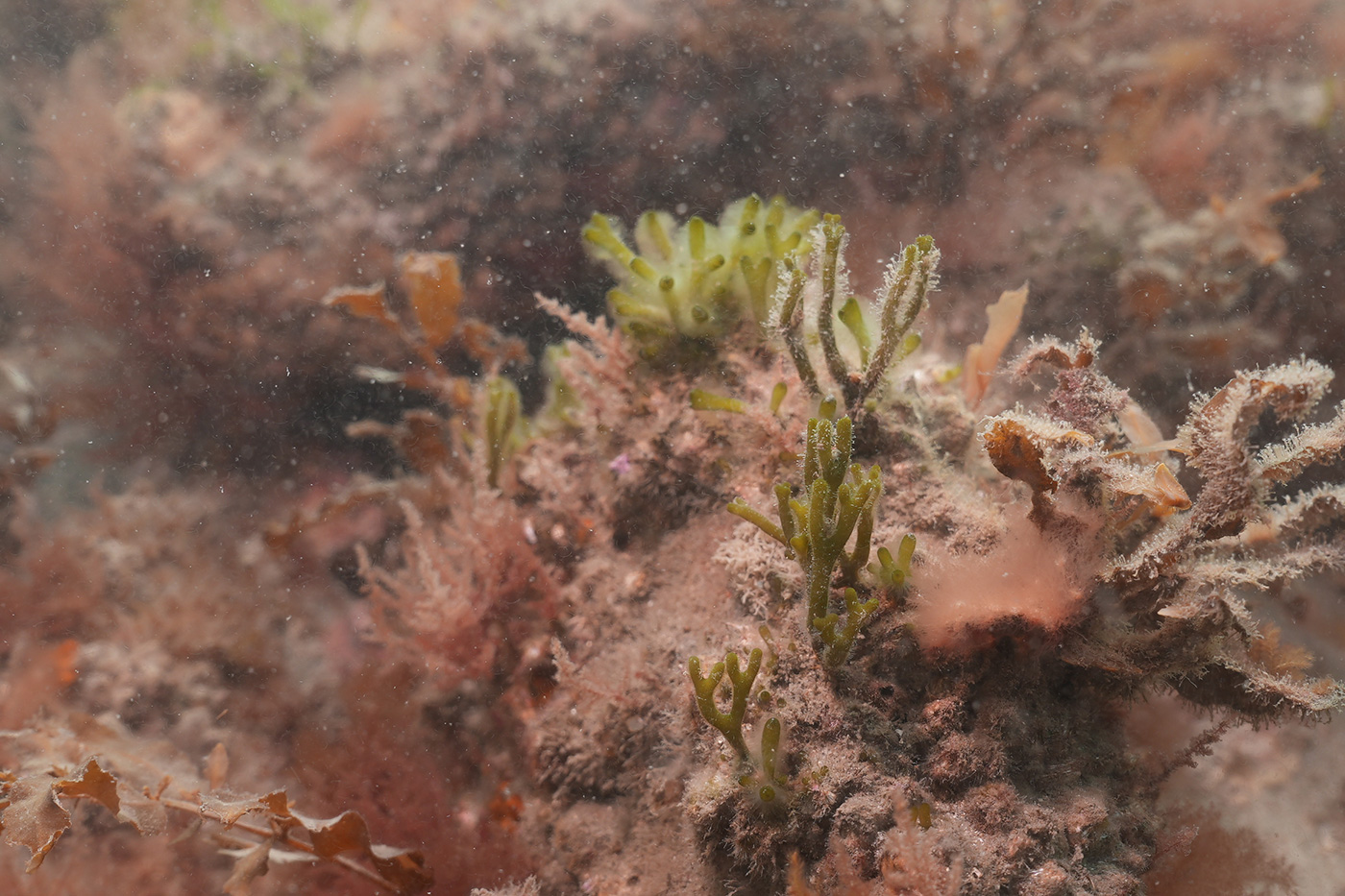 Project for Developing, Demonstrating, and Commercializing Marine Restoration Materials
 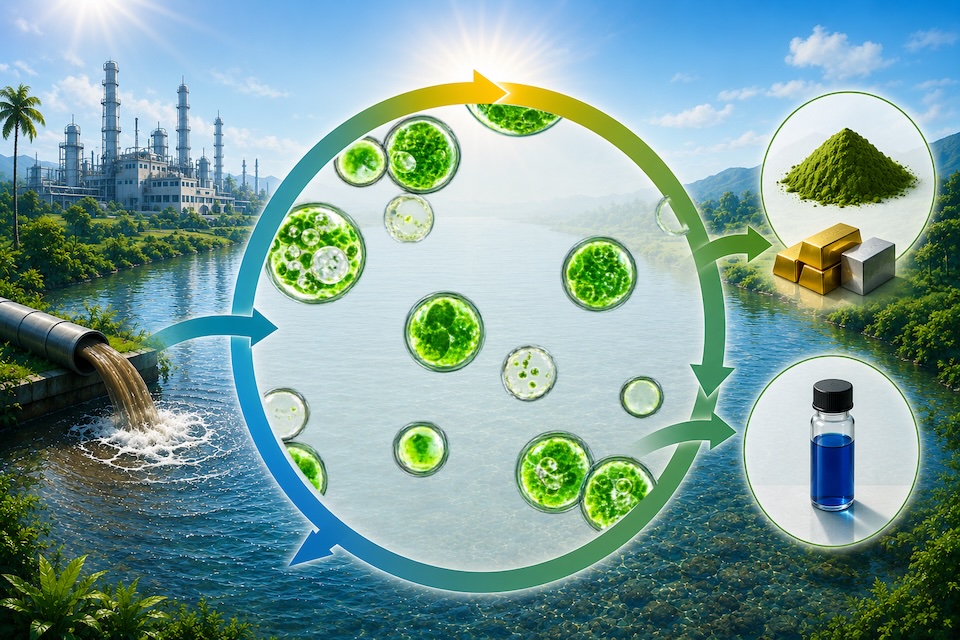 Galdieria Microalgae Wastewater Resource Recovery Project
 These projects are born when companies, startups, regional companies, and governments bring their respective challenges and assets together.
Even when a specific theme has not yet been decided, we can start by organizing challenges and technologies.
The six approaches of the LVNS Water Cycle Project
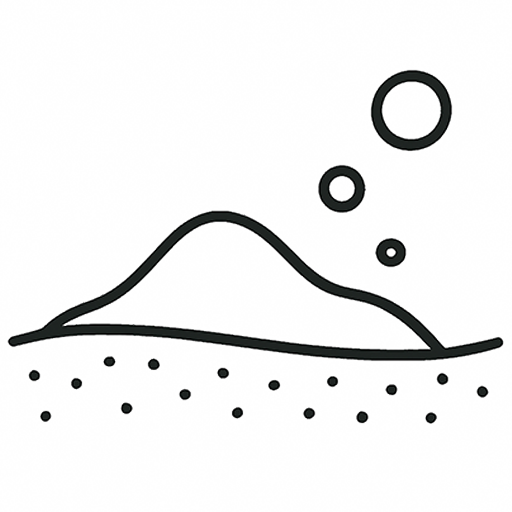
We measure and integrate topography, bottom sediment, water temperature, nutrients, currents, water quality, and species distributions to understand what is happening in the aquatic environment. We use the information we obtain to identify local challenges and evaluate interventions.
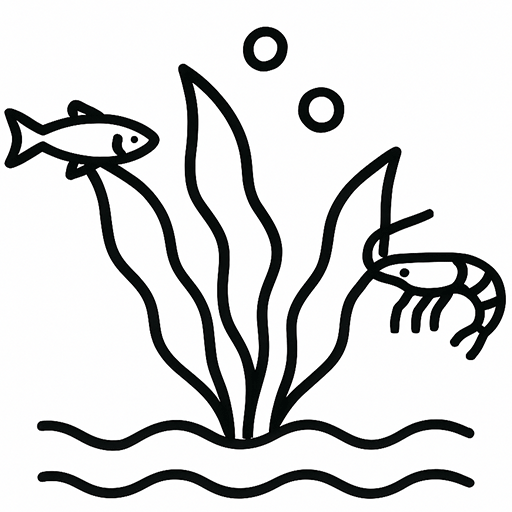
We connect environmental and biological information to assess the status of resources in fisheries and aquaculture and develop models for using aquatic resources. We also develop and scale technologies and businesses, including land-based aquaculture, that allow the ocean to recover.
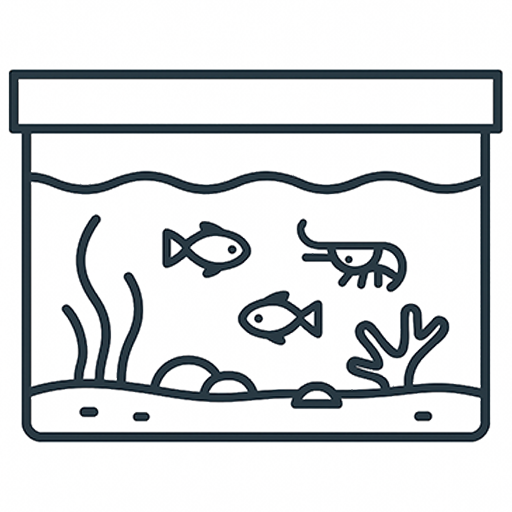
We restore habitats such as seaweed beds and tidal flats, and develop technologies to maintain conditions suited to each place. By combining materials, microorganisms, interactions among organisms, and flow control, we create places where life can thrive.
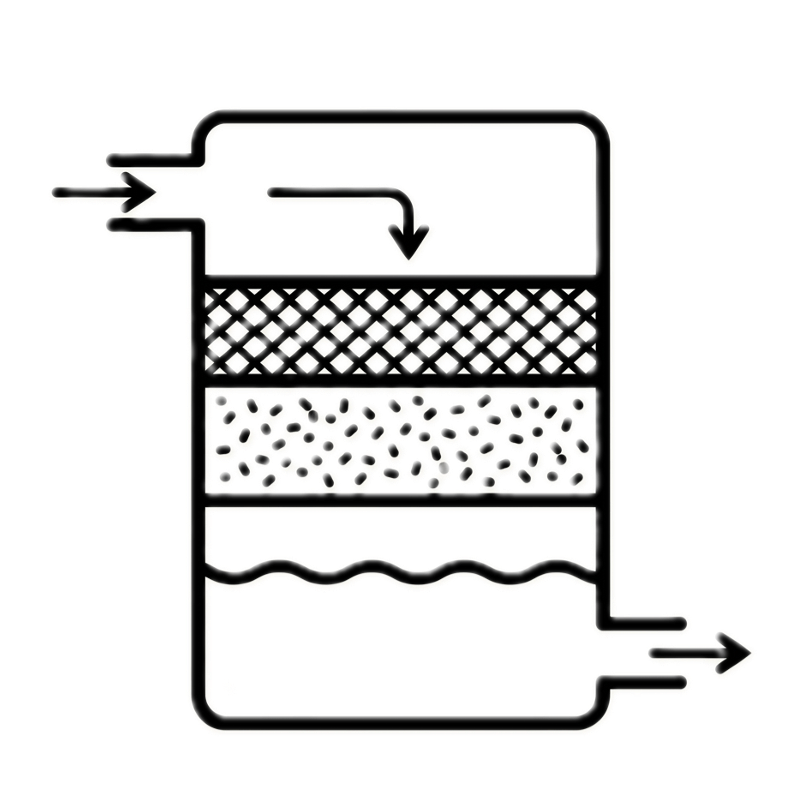
We detect, separate, and break down persistent and dispersive substances such as PFAS and microplastics, while distinguishing what should be removed from what ecosystems need. Rather than simply making water clear, we design water quality management that accounts for what happens through use and discharge.
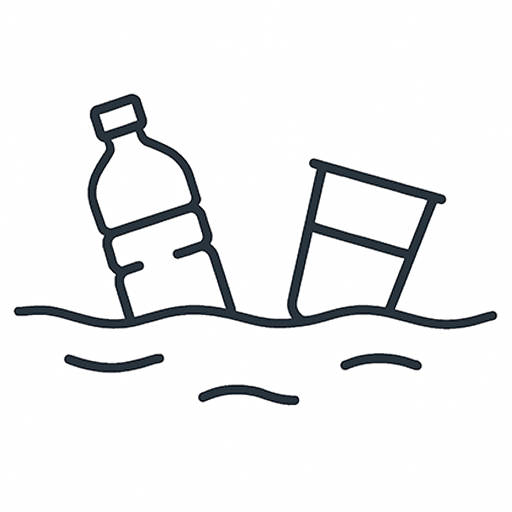
We address not only the collection of waste that has reached the ocean, but also the prevention of leakage from land and rivers, the recycling of collected materials, and the production and consumption systems that generate waste, building cycles that prevent leakage at its source.

We create opportunities for the next generation, researchers, companies, and local residents to ask questions about aquatic environments and engage with water-related challenges from different fields. Through research support, educational programs, and talent development, we grow the community that carries the cycle forward.
Latest news from the LVNS Water Cycle Project
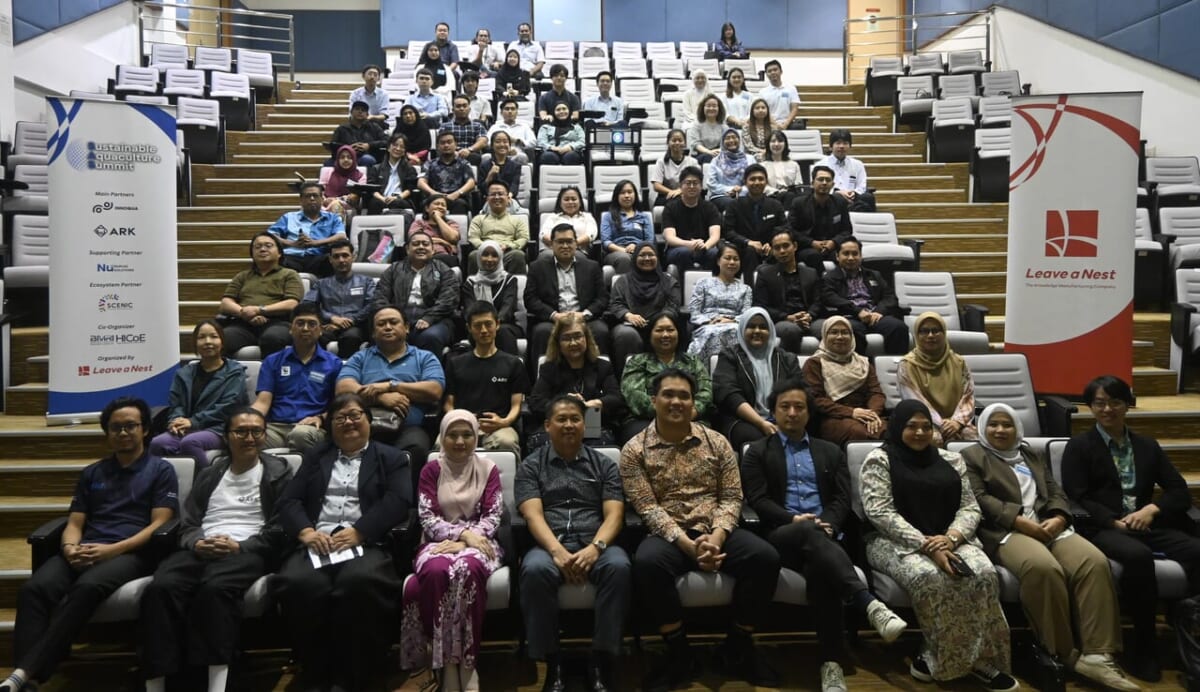
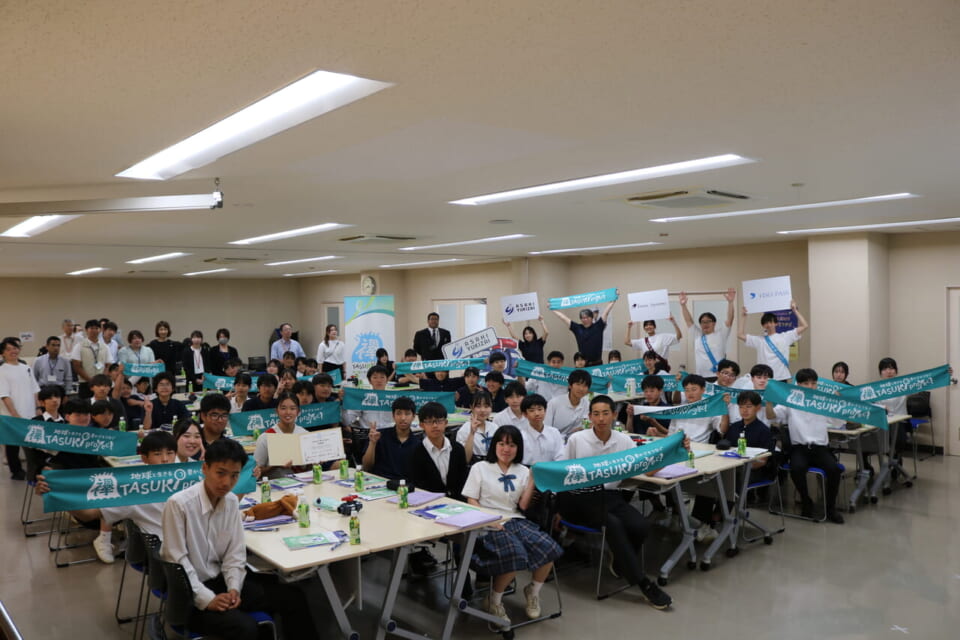
The LVNS Water Cycle Project is carried out by a team including the following companies and organizations.




Organized by

Contact
Please contact us via the form.
Contact us