TECH PLANTER
total entries
Across seven fields in Japan, regional programs, and six Southeast Asian countries

WHY LEAVE A NEST
We connect researchers, startups, companies, and regions, moving from challenge definition to technology scouting, validation, and commercialization.
We create flows and cycles of water that nurture life as projects that keep moving forward.
FROM TECHNOLOGY TO INDUSTRY
To establish new technologies in society, we need to understand the challenges to solve, bring together researchers, startups, companies, and regions with different strengths, validate solutions in the field, and grow them into sustainable businesses.
The LVNS Water Cycle Project is not simply a network for introducing water-related technologies.
Using the knowledge platform built by the Leave a Nest Group, we move consistently from discovering challenges to scouting technologies, building teams, validating in the field, productization, commercialization, and regional development.
KNOWLEDGE PLATFORM
The potential to transform water-cycle challenges also lies beyond the water sector. Leave a Nest has continuously discovered and engaged with early-career researchers and deep-tech teams.
Across seven fields in Japan, regional programs, and six Southeast Asian countries
Leave a Nest research platform
Research promoted by companies and early-career researchers
Publicly disclosed amounts only
Figures are approximate and based on internal proposal materials as of 2025. TECH PLANTER figures represent total entries, not unique organizations or teams. Please confirm the latest figures and scope before publication.
SCIENCE BRIDGE COMMUNICATION
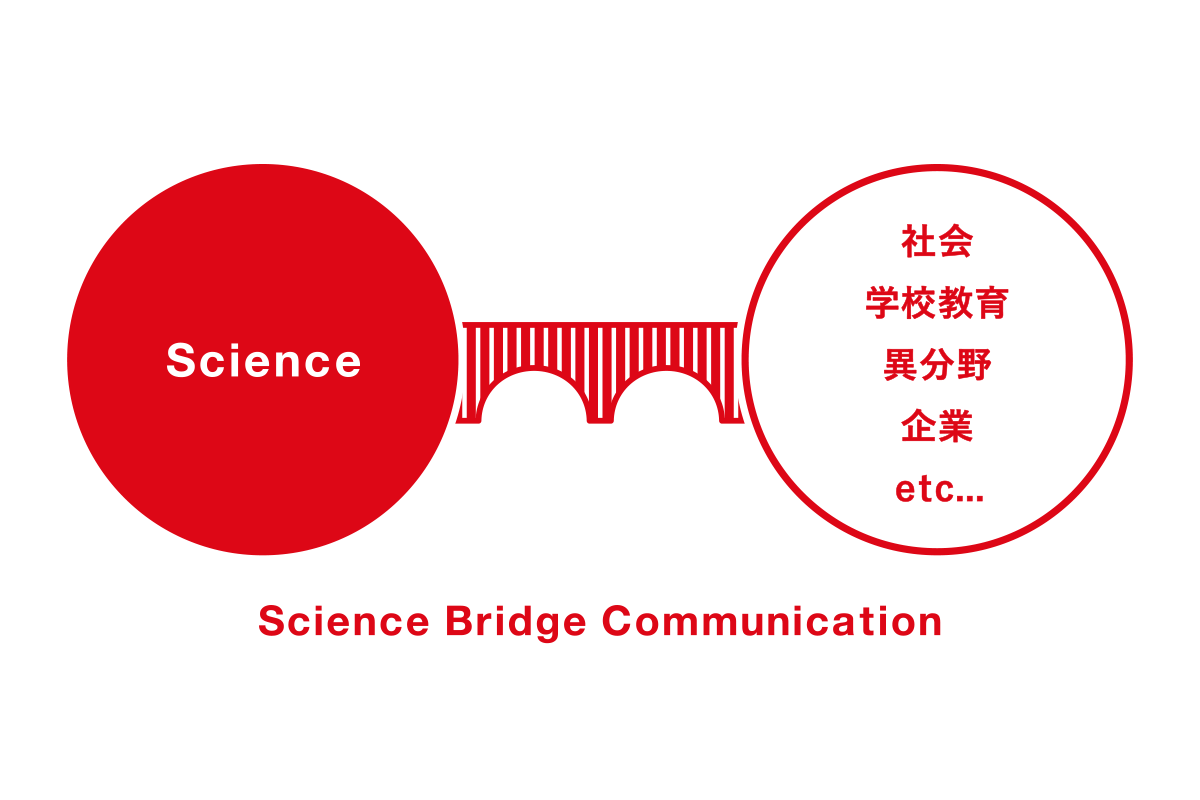
Researchers, startups, large companies, regional companies, and local governments use different language, timelines, and measures of success.
Leave a Nest’s Science Bridge Communicators translate the challenges, technologies, facilities, fields, and networks each party brings. We go beyond one-to-one introductions to build teams with shared challenges and validation goals, and support them until a project begins to move.
WHAT WE DO
Leave a Nest does more than scout and introduce. We design projects, bring people together, and create the next stage of development.
We organize the challenges faced by companies and regions, along with technologies, facilities, materials, byproducts, people, and fields. We also reframe assets that have not yet created value in an existing business as starting points for new businesses.
We search across Japan and overseas for the technologies and people needed, including researchers, startups, and regional companies beyond the water sector. We uncover candidates through ongoing dialogue, not only public information.
We design which challenge to solve, with which technologies and team. We organize the technical validation items and conditions needed for commercialization, turning them into a testable hypothesis.
We bring together researchers, startups, companies, local governments, fisheries cooperatives, schools, and others. We clarify each party’s role and value to build a team that can collaborate continuously.
We run demonstrations in factories, rivers, coastal areas, aquaculture facilities, and communities. We clarify the conditions for implementation by looking beyond technical performance to operations, costs, regulations, and relationships with the region.
Based on validation results, we consider productization, manufacturing systems, business models, funding, and customers. We connect each demonstration to expansion into other regions and overseas markets.
LEAVE A NEST GROUP
The Water Cycle Project advances by combining multiple foundations held by the Leave a Nest Group.
Through Leave a Nest research grants, interdisciplinary conferences, and media for researchers, we explore researchers who are not bound by the frameworks of existing fields.
We collaborate with deep-tech startups and pre-startup teams in Japan and overseas that we have discovered through TECH PLANTER.
We connect technologies with the companies and engineers needed for prototyping, design, manufacturing, and mass production, so they do not remain in the laboratory.
We incorporate the technologies, facilities, and customer bases of large and regional companies to advance joint development and new business creation.
We work with local governments, regional companies, fisheries cooperatives, schools, and others to create demonstration fields and projects rooted in regional challenges.
We consider research grants, joint research, investment, and public programs, and support expansion through domestic and overseas bases and networks.
BEYOND MATCHING
HOW WE WORK
Structure challenges and strengths to find the starting point for a project.
Look beyond existing fields to uncover potential collaborators.
Combine technology, business, and region into a testable plan.
Bring the people involved together, operate the validation, and build the next hypothesis.
Connect manufacturing, funding, customers, and regions to grow a sustainable business.
PROJECTS IN ACTION
WASTEWATER × NATURE POSITIVE
Starting with the challenge of factory wastewater, we combine purification technologies, biodiversity assessment, regional partners, and finance to turn environmental action into new business value.
Leave a Nest’s role: challenge definition, technology scouting, validation team building, and business hypothesis designView project ↗RAS × NITROGEN CYCLE
We address the cost and environmental impact of nitrogen treatment by combining technologies in microbiology, materials, feed, and resource recovery.
Leave a Nest’s role: structuring technology challenges, scouting beyond existing fields, and designing the validation planView project ↗MATERIALS × MARINE RESTORATION
We transform companies’ materials, manufacturing technologies, and unused resources into materials that restore seaweed beds and marine ecosystems, then validate them in local waters.
Leave a Nest’s role: organizing company assets, connecting with regions, building the validation structure, and designing expansionView project ↗FAQ
It is a project-creation platform that connects researchers, startups, companies, regions, and governments to organize water-cycle challenges, scout technologies, validate them, and move toward productization, commercialization, and regional development.
We go beyond one-to-one introductions. We design project hypotheses and validation plans by combining multiple technologies and organizations, then support the path to commercialization after validation.
Yes. Technologies in materials, microbiology, sensing, robotics, information science, energy, and other fields may help solve water-cycle challenges.
Yes. We can start by organizing the challenges, technologies, facilities, materials, byproducts, and fields held by a company or region to find the starting point for a project.
START A PROJECT
You do not need to have a project fully defined. Leave a Nest’s communicators can think with you, starting by organizing your challenges and assets.